HR 2749 and the Codex – The House Bill from Hell

Here are some of the components of the new bill that has been placed in front of congress for a vote. We could lose control of our food supply if it passes.

* All nutrients (vitamins and minerals) are to be considered toxins/poisons and are to be removed from all food because Codex prohibits the use of nutrients to “prevent, treat or cure any condition or disease”

* All food (including organic) is to be irradiated, removing all toxic nutrients from food (unless eaten locally and raw).

http://www.smh.com.au/national/catfood-irradiation-banned-as-pet-theory-proved-20090529-bq8h.html

* Nutrients allowed will be limited to a Positive List developed by Codex which will include such beneficial nutrients like Fluoride (3.8 mg daily) developed from environmental waste. All other nutrients will be prohibited nationally and internationally to all Codex-compliant countries.

* All nutrients (e.g., CoQ10, Vitamins A, B, C, D, Zinc and Magnesium) that have any positive health impact on the body will be deemed illegal under Codex and are to be reduced to amounts negligible to humans’ health.

Dr. Bob’s Blog is not intended as medical advice. The writings and statements on this website have not reviewed and/or approved by the FDA. Our products are not meant to diagnose, treat, cure or prevent any disease. Rather they are meant to demonstrate that aging can be slowed and even reversed and that Great Health achieved when the most fundamental nutritional needs of the human body are met. Always consult a medical doctor or other medical professional when you consider it necessary.
Dr. Bob’s Blog is covered under (47 U.S.C. § 230): “No provider or user of an interactive computer service shall be treated as the publisher or speaker of any information provided by another information content provider”.
Posted in General | Tagged , , | Leave a comment

Food Safety Bill HR 2749

Because the bill’s provisions concerning food safety and FDA’s scope of power concerning enforcement are so vaguely worded in this bill, it creates potential for the unchecked abuse of power by FDA and the incongruous application and enforcement of regulations.

– HR 2749 will require the mandatory imposition of annual registration fees in the amount of $500 upon any “facility” that holds, processes, or manufactures food. Even though “farms” are exempt, the bill’s definition of “farm” is so scarcely defined that folks selling cheeses, breads, and other products from their farms or at the farmers market would be required to pay this fee, potentially driving many small producers and start-ups out of business, especially during tough times.

This bill is another attempt to force the Codex Alimentarius on us like they did in Europe. http://www.healthfreedomusa.org/?page_id=155

Check out of film called “We Become Silent” to learn about the Codex Alimentarius .

Dr. Bob’s Blog is not intended as medical advice. The writings and statements on this website have not reviewed and/or approved by the FDA. Our products are not meant to diagnose, treat, cure or prevent any disease. Rather they are meant to demonstrate that aging can be slowed and even reversed and that Great Health achieved when the most fundamental nutritional needs of the human body are met. Always consult a medical doctor or other medical professional when you consider it necessary.
Dr. Bob’s Blog is covered under (47 U.S.C. § 230): “No provider or user of an interactive computer service shall be treated as the publisher or speaker of any information provided by another information content provider”.
Posted in General | Tagged , | Leave a comment

Top 10 Reasons NOT to Consume Soft Drinks!

By Dr. Bob McCauley

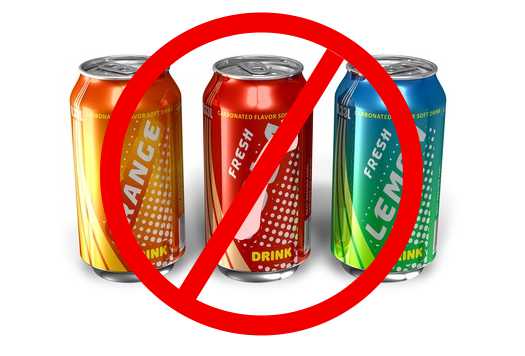
  1. Soft drinks steal water from the body. They work very much like a diuretic which takes away more water than it provides to the body. Just to process the high levels of sugar in soft drinks steals a considerable amount of water from the body. To replace the water stolen by soft drinks, you need to drink 8-12 glasses of water for every one no-sdrinksglass of soft drinks that you consume!
  2. Soft Drinks never quench your thirst, certainly not your body’s need for water. Constantly denying your body an adequate amount can lead to Chronic Cellular Dehydration, a condition that weakens your body at the cellular level. This, in turn, can lead to a weakened immune system and a plethora of diseases.
  3. The elevated levels of phosphates in soft drinks leach vital minerals from your body. Soft Drinks are made with purified water that also leach vital minerals from your body. A severe lack of minerals can lead to Heart Disease (lack of magnesium), Osteoporosis (lack of calcium) and many other diseases. Most vitamins can not perform their function in the body without the presence of minerals.
  4. Soft Drinks can remove rust from a car bumper or other metal surfaces. Imagine what it’s doing to your digestive tract as well as the rest of your body.
  5. The high amounts of sugar in Soft Drinks causes your pancreas to produce an abundance of insulin, which leads to a “sugar crash”. Chronic elevation and depletion of sugar and insulin can lead to diabetes and other imbalance related diseases. This is particularly disruptive to growing children which can lead to life-long health problems.
  6. Soft Drinks severely interfere with digestion. Caffeine and high amounts of sugar virtually shut down the digestive process. That means your body is essentially taking in NO nutrients from the food you may have just eaten, even that eaten hours earlier. Consumed with french-fries which can take WEEKS to digest, there is arguably nothing worse a person can put in their body.
  7. Diet soft drinks contain Aspartame, which has been linked to depression, insomnia, neurological disease and a plethora of other illness. The FDA has received more than 10,000 consumer complaints about Aspartame, that’s 80% of all complaints about food additives.
  8. Soft Drinks are EXTREMELY acidic, so much so that they can eat through the liner of an aluminum can and leach aluminum from the can if it sits on the shelf too long. Alzheimer patients who have been autopsied ALL soft-drinks-lghave high levels of aluminum in their brains. Heavy metals in the body can lead to many neurological and other diseases.
  9. Soft Drinks are EXTREMELY acidic: The human body naturally exists at a pH of about 7.0. Soft Drinks have a pH of about 2.5, which means you are putting something into your body that is hundred of thousands of times more acidic that your body is! Diseases flourish in an acidic environment. Soft Drinks and other acidic food deposit acid waste in the body which accumulates over time in the joints and around the organs. For example, the Body pH of cancer or arthritis patients are always low. The sicker the person, the lower the Body pH.
  10. Soft Drinks are the WORST THING you can possibly put in your body. Don’t even think of taking a sip of a Soft Drink when you are sick with a cold, flu or something worse. It will only make it that much harder for your body to fight the illness.

http://ow.ly/depf

Dr. Bob’s Blog is not intended as medical advice. The writings and statements on this website have not reviewed and/or approved by the FDA. Our products are not meant to diagnose, treat, cure or prevent any disease. Rather they are meant to demonstrate that aging can be slowed and even reversed and that Great Health achieved when the most fundamental nutritional needs of the human body are met. Always consult a medical doctor or other medical professional when you consider it necessary.
Dr. Bob’s Blog is covered under (47 U.S.C. § 230): “No provider or user of an interactive computer service shall be treated as the publisher or speaker of any information provided by another information content provider”.

Posted in General | Tagged , , , , , , , , , , , , | 5 Comments

The Future of Food (does not look good)

The Future of Food. I recommend this documentary. It shows how our food supply has been compromised by major agri-business, in particular Monsanto. They have been able to patent seeds and cause problems throughout the world because of it. Discussed is the concept of gmo foods, which I refer to as frankenfoods. GMO foods tamper with nature to say the least. Any food label on produce on it that begins with an 8 is a GMO food. 4 is commerically grown and 9 is organically grown.

My solution to this problem will come tomorrow.

Dr. Bob’s Blog is not intended as medical advice. The writings and statements on this website have not reviewed and/or approved by the FDA. Our products are not meant to diagnose, treat, cure or prevent any disease. Rather they are meant to demonstrate that aging can be slowed and even reversed and that Great Health achieved when the most fundamental nutritional needs of the human body are met. Always consult a medical doctor or other medical professional when you consider it necessary.
Dr. Bob’s Blog is covered under (47 U.S.C. § 230): “No provider or user of an interactive computer service shall be treated as the publisher or speaker of any information provided by another information content provider”.
Posted in General | Tagged , , , , | 1 Comment

King Corn – and what the American public is being fed

You need to know the source of where your food is coming from. What most Americans are being fed these days is corn. Chk out this video: http://www.kingcorn.net/ Read Michael Pollan’s book: The Omnivore’s Dilemma.

Dr. Bob’s Blog is not intended as medical advice. The writings and statements on this website have not reviewed and/or approved by the FDA. Our products are not meant to diagnose, treat, cure or prevent any disease. Rather they are meant to demonstrate that aging can be slowed and even reversed and that Great Health achieved when the most fundamental nutritional needs of the human body are met. Always consult a medical doctor or other medical professional when you consider it necessary.
Dr. Bob’s Blog is covered under (47 U.S.C. § 230): “No provider or user of an interactive computer service shall be treated as the publisher or speaker of any information provided by another information content provider”.
Posted in General | Tagged , , , , | Leave a comment

Raw Foods and gardening – Eating cheap and healthy

Check out my video demonstrating how incredibly inexpensive to grow your own greens http://www.youtube.com/watch?v=yVoVHzcuk2w

It is unbelievably inexpensive to grow your own food all summer and/or winter that is organic and you know exactly where it came from.

Dr. Bob’s Blog is not intended as medical advice. The writings and statements on this website have not reviewed and/or approved by the FDA. Our products are not meant to diagnose, treat, cure or prevent any disease. Rather they are meant to demonstrate that aging can be slowed and even reversed and that Great Health achieved when the most fundamental nutritional needs of the human body are met. Always consult a medical doctor or other medical professional when you consider it necessary.
Dr. Bob’s Blog is covered under (47 U.S.C. § 230): “No provider or user of an interactive computer service shall be treated as the publisher or speaker of any information provided by another information content provider”.
Posted in General | Tagged , , , | Leave a comment

Hyperthermia (InfraRed) and Electrotherapy

Alternative Medicine Issue 37 September, 2000

By Harvey Kaltsas, D.O.M.,A.P.

Janice wasn’t flattered when the German shopkeeper congratulated her on the baby she looked about to deliver. For despite her severely swollen abdomen, Janice was not pregnant. She had advanced multi-drug resistant peritoneal cancer with an accumulation of fluid in her abdominal cavity. Janice had been told she was in the end stages of an eight-year battle that had started with ovarian cancer and metastasized into liver, colon and bladder cancer.

Instead of preparing to bring new life into the world, Janice wanted to die, to put an end to her constant pain, suffering and hopelessness. Her doctors in the United States had given up on her. She was frankly sick of it all, ready to let her will ebb away and surrender. But at a friend’s pleading, Janice made one last try at a cure by going to the Klinik St. Georg in Bad Aibling, Germany, outside of Munich. The clinic, known to English-speaking people as St. Georg Hospital, nestled in the foothills of the Alps, treats 2,500 German and 2,500 foreign patients a year and has developed a widespread, word-of-mouth following.

Janice told me her story three weeks after she stated treatment at the clinic. With a joyous smile on her beautiful face- -and a stomach now flat- -she pronounced, “This is my favorite place in the whole world. I just love it here!” She said she was completely free of pain, and her energy had been restored.

She received treatment according to a standard Klinik St. Georg cancer protocol: a week of detoxification and the strengthening of the immune system with diet and nutritional supplements, followed by two weeks of localized hyperthermia treatment and low-dose chemotherapy. Hyperthermia involves raising the temperature of the body area surrounding a malignant tumor, or in many cases, the whole body itself, to levels of heat and for periods of time lethal to the cancerous tissue but not injurious to other cells.

Friedrich Douwes, M.D., of Klinik St. Georg has great success using a “synergy of treatments”- with special emphasis on the use of heat from far InfraRed radiation and direct electrical current as mainstays of his cancer-killing strategy.

In Janice’s case, the abdominal area was perfused with the chemotherapy agents cisplatain and carboplatin during hyperthermia treatment. Because the treatment heated the abdominal cavity to 107 degrees Fahrenheit (41.7 Celsius) for one hour (IR treatment), the chemotherapy was able to penetrate the membranes of the cancer cells much more easily. Thus Janice needed only half the normal dose of chemotherapy and suffered none of the usual side effects.

About two months after treatment began, Janice informed me that she was continuing to improve and felt better than she had in years. Shortly thereafter, she no longer showed any sign of disease whatsoever. Her CA 125 cancer markers (a blood test measurement of the level of antigens produced by ovarian cancer cells) dropped from above 2,500 to the 100’s and her health is now perfect. Janice says that, from talking with long-term cancer survivors she has met at Klinik St. Georg, and from her own experiences, she is convinced there is hope for permanent remission.

Ideally, before persons with cancer seek chemotherapy, radiation or surgery, they should consult an alternative or complementary physician such as Professor Friedrich R. Douwes, M.D., Medical Director and founder of Klinik St. Georg. As an oncologist who integrates holistic with conventional approaches, Dr. Douwes is widely renowned for his successes. He has published numerous papers on alternative cancer treatments and is currently Vice President of the German Society of Oncology.

Clinic patients have the opportunity to initiate detoxification, nutritional/herbal supplementation for immune modulation, exercise, positive thinking practices and psychotherapy, as well as hyperthermia and/or electrotherapy treatment. Dr. Douwes is bound by the canons of German medical ethics to also advise his German patients as to standard conventional chemotherapy’s, and feels obligated to inform his international patients of every option open to them. But if his patients decline chemo, then he becomes their biological therapist. (ND in America)

What a difference this approach is to that of many conventional oncologists who scare their patients with treatment imperatives that include threatening prognoses: “If you don’t do this surgery, chemotherapy and radiation, you’re going to die in so many months.

Building Immunity
One of the long-term cancer survivors I met in Bad Aibling is Friedhelm, a former schoolteacher who couldn’t wait to tell me his story. We talked on a couch in “Professor” Dr. Douwes’s waiting room. Friedhelm was diagnosed in May 1993 with a non-small-cell lung tumor 12 centimeters by 6 centimeters (about 4.7 inches by 2.4 inches) in size. This type of cancer usually has a five-year survival rate of only 10%. Doctors told Friedhelm: “Go for chemo tomorrow. If you’re very lucky, you’ll survive six months. He knew of Dr. Douwes’s reputation and effectiveness of his therapeutic protocols because his brother had gone to university with the doctor.

In Friedhelm’s words, his immune status at the start of treatment was “nothing, absolutely terrible.” Dr. Douwes told him he couldn’t start chemotherapy right away. He could not withstand the poisons. Like most patients, he had to build his body up first. Thus, for two weeks, he was given nutritional supplements and natural immune system modulators.

From May to September 1993 Friedhelm had two cycles of low-dose chemotherapy with hyperthermia. Then in October he had radiation in Munich, nothing more. Buy the end of treatment he was cancer-free, and has been ever since. His other medical doctors are astonished and consider the case unexplainable. He suffered no hair loss from the chemotherapy, no nausea. In fact, except for a mildly reduced white blood cell count that his doctors attribute to the radiation in Munich, he had no side effects whatsoever.

“Most people call it a wonder. I think it’s a result of this therapy.” Says Friedhelm. He points out that he now has more hair than he did ten years ago. He also observes that “in the past, before health insurance, if you were poor, you died soon. Now, if you’re not informed, you die”.

Dr. Douwes says that killing malignant tumors is usually not difficult, and a synergy of treatments works best for that. The biggest challenge comes about afterwards, to keep tumors from coming back once patients leave the clinic and resume a normal lifestyle. To prevent their reoccurrence one must keep the immune system strong with diet, exercise, nutritional supplementation and especially a positive mental attitude.

Friedhelm has taken this advice to heart. He is on a regular supplementation program and visits Dr. Douwes faithfully four times a year for reassessment and cancer screening (early detection). He says he retired from teaching and fulfilled a life-long dream of riding his motorcycle down Route 66 in the U.S.

While in Bad Aibling, I met patient after patient who would not have considered undergoing more chemotherapy unless it was low dose chemo in combination with hyperthermia or electrotherapy. Not only do these treatments reduce the amount of chemotherapy needed, but also they markedly reduce side effects from chemotherapy and radiation, and they allow for achieving much greater results. Dr. Douwes backs this bold statement by referring to many oncology studies, both in the laboratory and in actual patients.

Prostate Cancer
Another one of Dr. Douwes’ many success stories is Les M., an engineer from California who had prostate cancer. From his professional education he brings a skeptical, inquiring, scientific perspective to viewing various situations. Before Les came to Klinik St. Georg for transurethal prostate hyperthermia treatment, he carefully reviewed the literature on different treatments. He chose the clinic after learning that local-region radio-wave hyperthermia has produced “fabulous results” (whereas the U.S. study of hyperthermia using microwaves cause patients agonizing urethral pain and made U.S. doctors thereafter shun the procedure). Les was also impressed to learn how sophisticated the clinic’s method of determining efficacy of treatment is. The traditional Prostate-Specific Antigen (PSA) test gives a high rate of false negatives (about 30%). Les had a particular from of aggressive form of aggressive prostate cancer that is not revealed by elevated PSA’s. Klinik St. Georg also uses the Polymerase Chain Reaction (PCR) technique to determine whether cancer cells are still circulating in the blood stream.

When I met Les just before he was to go in for his first treatment. He sat in a comfortable upholstered chair with flexible radio-receiving plates affixed to each buttock. With local anesthesia he had a probe containing a tiny radio transmitter introduced through a transurethral catheter into his enlarged prostate. Unlike the American protocol, which used high-energy microwaves that burned both cancerous and non-cancerous tissue alike, the Klinik St. Georg treatment employs short-wave radio transmissions. These heat the prostate area to between 113 and 158 degrees Fahrenheit and adversely affect only malignant cells. At times Les felt some discomfort during the treatment, as if he had to urinate, but otherwise the three-hour process was not traumatic, and he was asleep for much of the time. I interviewed Les fifteen minutes post-therapy, after his catheter was removed and he had urinated without pain or any burning sensation. He was positively joyful and downright playful.

I received a call from Les Two months later, just as I was finishing writing this article. He had to tell me that he had just visited his previous two conventional oncologists. They performed the ultrasound imaging and digital rectal palpation that had revealed his cancer in the first place (later confirmed by biopsy). They found nothing: there was no evidence of cancer left. They could not perform a follow-up biopsy because there was no mass left to target.

A Trailblazer in Oncology
Dr. Douwes is a large, muscular bear of a man. He reminds me of a middle linebacker from the National Football League, or one of those undeniably self-confident athletes who says to his opponent, “You think you’re tough. So bring it on. Show me what you’ve got.” That’s the doctor’s attitude toward cancer, and his upbeat optimism sets the tone for the entire clinic.

For the most part, clinic staff and patients alike are happy and at times ebullient. The setting probably helps, the clinic rivals any five-star hotel for comfort and accommodations, quality of food, service and majestic view. The only morose patients I saw were those who had just recently begun treatment. I assumed that they, too, would be soon infected by the good cheer freely shared among patients in the dining room and group therapy rooms. A patient with prostate cancer said to me that Klinik St. Georg “is the only cancer clinic I’ve ever been to where people laugh”.

Dr. Douwes was not always so upbeat. Following his training in oncology at medical schools in both the U.S. and Germany, he served as head physician of the oncology department at the University of Gottengen, where he got severely discouraged. “I decided after 10 years,” he said “to either quit medicine or to become a landscape gardener, because I was so disappointed about the results in clinical oncology”.

“I had my first fight with the faculty after I was supposed to publish a paper about patients with non-small cell cancer of the lung. We had a double-blind study, one placebo group and one that received Adriamycin, Cytoxan and Oncovin. The results were that from the placebo group, the median survival rate was 9.6 months and in the treated group it was 13.4 months, and this was statistically significant. I was supposed to publish it because the pharmaceutical companies gave us a grant.

“I told them that this may be statistically significant, but is was baloney. What does it mean? Three or four months. If you take into account that these people in treatment survived this experience only four months longer, then I was not going to publish it. They had a lousy life quality; they had to be hospitalized most of the time; they had more chemotherapy, more blood transfusions, and we actually stole several months of their lives from them.

“They told me that if I wasn’t going to publish the paper because it‘s insignificant, then they would cut our grants. This was the minute when I quit and said, ” This is it. I cannot do it anymore because this is not the way to treat these people.” So I slowly adopted complementary methods into my medicine besides conventional and still stay with conventional medicine because St.Georg is a fully licensed hospital. All major insurance’s pay and I somehow had to balance it and, therefore, we call it integrative medicine. We have practiced this now for 15 years.

“As soon as I adopted these methods, I became more and more successful, especially when I had the opportunity to introduce hyperthermia into our treatment and protocol. This was in 1983 and 1984, and my mentor was an American surgeon, the late Dr. Harry Levine. Also, there was Dr. Rudi Falk from Toronto, also deceased. They were the first I met with experience in hyperthermia. Later we made our own machines, and at the moment I think we are now the leading such hospital in the world because we have all varieties of hyperthermia.”

Hyperthermia and Electrotherapy
“There are no other treatments I know,” Dr. Douwes says, “that have such a high specificity to kill and inactivate cancer as hyperthermia and electrotherapy.” These two methods form what Dr. Douwes calls “the new strategy,” which he anticipates will become a mainstay of conventional cancer therapy in the near future. “They have few side effects and are absolutely cancer specific.”

Dr. Douwes showed me a study by the European society for Hyperthermic Oncology on the five-year survival rates of patients with malignant melanoma. Only 28% of those treated with radiation alone survived five years. Whereas in the group treated with both radiation and hyperthermia, 46% were alive after five years.

Keep in mind that these studies were performed by conventional oncologists who added only hyperthermia to their standard treatment protocols. Nothing was done to support their patient’s well being and immune systems. Unlike Klinik St. Georg, they did not use detoxification regimens, biological dentistry, special diets, nutritional supplements, exercise programs like yoga and swimming, sessions in the hot tub and mud baths, lymphatic drainage massage, and visits with a staff psychologist for positive imaging. They were able to nearly double five-year survival rates for melanoma patients by using hyperthermia once a week with conventional radiation treatment.

Ovarian Cancer
In another trial with late-stage, therapy resistant ovarian cancer patients who had undergone multiple previous courses of chemotherapy (in some cases up to eight), 69.2% responded positively to a combination of chemotherapy and hyperthermia, and 15.5% went into remission.

Breast Cancer
In a Klinik St.Georg trial, 36 patients with advanced multi-drug resistant breast cancer were treated with whole-body hyperthermia, chemotherapy, anti-hormone treatment and local region hyperthermia. The positive response rate was 66.4%, of whom 13 patients (36.1%) went into remission. No change was noted in 11 patients (30.5%).

In Vitro studies performed by Doctors Douwes and Jurij Bogovic of Klinik St. Georg have documented that cancer cells treated with a group of chemo agents showed an exponential increase in anti-tumor efficiency when combined synergistically with hyperthermia.

Dr. Douwes says that patients who do best are those on a comprehensive biological program, which includes proper diet, nutritional supplementation and exercise. Chemotherapy and hyperthermia are applied if necessary. But do not get the impression that hyperthermia is effective only when used with chemotherapy or radiation: it is also used to potentiate the effects of various nutritional and herbal anti-cancer remedies.

One aspect of the clinic that Dr. Douwes says that he is expanding and always improving is the use of herbals and nutritional supplements to target cancers and boost the immune system. Recent research has revealed that plant-based phytochemicals modify the permeability of cellular membranes, thus allowing nutrients to enter and be metabolized within healthy cells, while making cancer cells more pervious to attack from outside.Klinik St. Georg has long used alkylglycerols on all patients for this very purpose. Dr. Douwes uses Ecomer ™ Alkylglycerols exclusively. The clinic also employs many other supplements, including thymus protein, vitamin C, selenium, Coenzyme Q10, mistletoe, high-dose antioxidants and enzymes to enhance immune response.

Dr. Douwes has started using two new lines of products to complement his standard therapies. One is the Natura Herbals™ line of Chinese herbal formulas. These are derived from remedies that have been proven in China to efficacious reportedly in 83% of 400,000 patients. The other is Nutrizyme™ from American Nutriceuticals. This formula combines protein-digesting enzymes with other immune stimulants and can strip the sheaths (made of fibrin polyglucoprotein) from around cancer cells, rendering them more vulnerable to attack. It is likely that, used in combination with hyperthermia, several of these products may be able to virtually supplant conventional chemotherapy agents in some cases.

Author: Harvet Kaltsas, D.O.M.,A.P., is President Emeritus of the Florida State Oriental Medical Association and the American Association of Oriental Medicine (AAOM). In 1996, he was selected “Acupuncturist of the Year” by the AAOM. Dr. Kaltsas was recently re-appointed to the Florida Board of Acupuncture.


Dr. Bob’s Blog is not intended as medical advice. The writings and statements on this website have not reviewed and/or approved by the FDA. Our products are not meant to diagnose, treat, cure or prevent any disease. Rather they are meant to demonstrate that aging can be slowed and even reversed and that Great Health achieved when the most fundamental nutritional needs of the human body are met. Always consult a medical doctor or other medical professional when you consider it necessary.
Dr. Bob’s Blog is covered under (47 U.S.C. § 230): “No provider or user of an interactive computer service shall be treated as the publisher or speaker of any information provided by another information content provider”.
Posted in General | Tagged , , , , , , , , , | 4 Comments

Influence of Negative Air Ions on Human Performance and Mood

The Influence of Air Ions, Temperature, and Humidity on Subjective Well-being and Comfort Journal of Environmental Psychology, December, 1981

106 employees kept daily assessment records of their office environment and health over a 12-week period. Temperatures of about 23 degrees Celsius were associated with increased sensations of stuffiness, discomfort, and unpleasantness, and appeared to produce an increase in the number of complaints of headaches. The office environment was found to be depleted of small negative air ions. The introduction of a negative ion generator increased the subjective rating of alertness, atmospheric freshness, and environmental and personal warmth. Ions reduced the complaint rate for headache by 50% and significantly reduced the number of complaints of nausea and dizziness.

Dr. Bob’s Blog is not intended as medical advice. The writings and statements on this website have not reviewed and/or approved by the FDA. Our products are not meant to diagnose, treat, cure or prevent any disease. Rather they are meant to demonstrate that aging can be slowed and even reversed and that Great Health achieved when the most fundamental nutritional needs of the human body are met. Always consult a medical doctor or other medical professional when you consider it necessary.
Dr. Bob’s Blog is covered under (47 U.S.C. § 230): “No provider or user of an interactive computer service shall be treated as the publisher or speaker of any information provided by another information content provider”.
Posted in Air Health | Tagged , , , , , , | Leave a comment

Seasonal Affective Disorder (SAD)

Dr. Michael Terman
Head Colombia University – Winter Depression Unit

The benefits of exposure to relatively high concentrations of negative ions produced by high density negative ion generators have been well documented over decades. Literally dozens of studies published in respected journals have concluded that negative ions can have a profoundly beneficial effect on both the mind and body. Listed here are some excerpts from just a few of the scientific studies on the subject of negative ions.

The most recent and exciting study was published in the February 1995 issue of “Journal of Alternative and Comparative Medicine”, a journal of the Colombia Presbyterian Medical Centre. The results of this study were also reported on CBS News with Connie Chung.

Researchers Dr Michael Terman (Head of Colombia’s Winter Depression Dept.) and Dr Jiuan Su Terman conducted a study of the impact of negative ion therapy on people suffering from seasonal affective disorder (winter depression) – an illness that is often symptomatically indistinguishable from “all year” depression; researchers believe that the biology of seasonal affective disorder (SAD) is very similar to that of “all year” depression, hence, the same antidepressant drugs (such as Prozac) are used to treat both.

The study was conducted in double blind fashion and divided clinically depressed subjects into two groups. The subjects in the first group were treated for 30 minutes a day for 20 days with a low density ion generator that produced only 10,000 ions/cubic centimetre ( the control group). The subjects in the second group were treated for 30 minutes a day for 20 days with a high density ion generator that produced 2,700,000 ions/cubic centimetre (the experimental group). The remission or “cure” criterion used was a 50% or greater reduction in symptom frequency and severity using the SAD version of the Hamilton Depression Rating Scale.

The results of this study shocked the medical community: While a low density negative ion generator provided little benefit, a high density negative ion generator gave relief from depression comparable to that given by Prozac and other anti-depressants, without drug side effects.


The following is a transcript from CBS News 2/14/95 6:30-7:00pm Connie Chung. To order your own “official” copy call Burell’s Transcripts on 1-800-777-8398.


Connie Chung: This is the age of wonder drugs and high-tech cures, but alternative treatments, from herbs to acupuncture, have true believers, too, even among some mainstream doctors and researchers. Latest case in point; the wintertime blue. Is it possible that changing the air you breathe can treat those negative vibes and actually relieve depression? Dr Bob Arnot has the story.

Dr Bob Arnot: If the blustery winds of winter blowing across the nation this week are bringing you down, there’s a good reason. Researchers now believe that the ill winds strip away highly charged subatomic particles called Negative Ions from the air around us, contributing to a seasonal form of depression.

Ms Mahala Holmes (patient): As far back as I can recall, I had feelings of dreading winter and … and went through this kind of depression.

Dr Arnot: Doctors at Colombia demonstrated the use of this machine to pump high-density negative ions into the air surrounding Mahala Holmes to treat her depression, known as a seasonal affective disorder.

Ms Mahala Holmes: While I was on treatment, I felt excited, I felt energised. I felt alive.

Dr Arnot: Here’s why. Level of brain chemical responsible for mood, called serotonin, are often lower in cases of season depression. Serotonin levels can be elevated by increased exposure to light or by antidepressants like Prozac. Researchers say negative ions may also increase brain levels of Serotonin.

Dr Michael Terman: (Colombia Presbyterian Medical Centre): People noticed that daytime energy was returning to normal levels. They lost that pressure for increased sleep, the difficulty awakening in time to get to work.

Dr Arnot: A study in the current “Journal of Alternative and Complimentary Medicine” concluded that 58% of patients treated with high-density negative ions had significant relief of their symptoms, almost identical to the number improved with drugs, but without drug side effects.

Dr Norman Rosenthal (National Institute of Mental Health): From a scientific point of view, it’s very exciting. It needs to be replicated.

Dr Arnot: The whole idea of using negative ions as a legitimate medical treatment may seem just a little bit odd. But while many doctors are still highly sceptical about alternative medicines, more and more Americans are turning to them because they haven’t found the satisfaction they want from mainstream medicine. This is not the first study to prove the benefits of negative ion generators. About 15 years ago, a double blind study was conducted at the Air Force Aerospace Medical Research Laboratory at Wright-Patterson Air Force Base in Ohio. The study was published in the August 1982 issue of the prominent medical journal “Aviation, Space, and Environmental Medicine” in an article entitled “Subjective Response to Negative Air Ion Exposure”. The study was conducted as follows, quoting from page 822 of the Journal:

“Procedure: One group of subjects served as controls and was confined to the test chamber for a 6 hour period under air ion conditions typical of an energy efficient building. The second group was similarly confined, but ion generators began operating 2 hours before occupancy and continued all 6 hours of confinement. Generators were masked for all indications of operation, and were also present under control conditions but not turned on. Data from both groups were collected under double blind conditions”.

The results of the study were encouraging, as stated on page 823 of the journal: “Subjective perceptions of psychological state, using individual ‘normalcy’ as standard, reflected significant differences between control and negative ion exposure groups. Prominent perceptions reported were reductions in irritability, depression and tenseness and increases in calmness and stimulation associated with ion exposure.

For psychological state, negative ion exposure appeared associated with feeling better about self, less sensitive and more responsive or innervated (energised)”. In October 1981, a journal article entitled “The Influence of Negative Air Ions on Human Performance and Mood”, appeared in the respected journal, Human Factors. On page 633 of the journal, the abstract of the article reads: “44 female and 12 male 17-61 year olds were tested either in a normal ion environment (control group) or in a predominantly negative ion environment (experimental group). After a 15-minute acclamation period, subjects asserted their psychological state and completed 2 performance tasks.

Results indicate that subjects had faster reaction times and reported feeling significantly more energetic under negative air ion conditions than under normal air conditions”.

Later that year in December of 1981, a study conducted at California State University, Sacramento entitled, “The Influence of Air Ions, Temperature and Humidity on Subjective Wellbeing and Comfort” , was published in the “Journal of Environment Psychology”. The findings were encouraging. On Page 279 of the journal, the abstract of the article states:

“106 employees kept daily assessment records of their office environment and health over a 12 week period. Temperatures about 23 degrees Celsius were associated with increased sensations of stuffiness, discomfort and unpleasantness, but appeared to produce a decrease in the number of complaints of headaches. The office environment was found to be depleted of small air ions. The introduction of a negative ion generator increased the subject rating of alertness, atmospheric freshness and environmental and personal warmth. Ions reduced the complaint rate for headache by 50% and significantly reduced the number of complaints of nausea and dizziness”.

Of course, much of the early research concerning negative ions has been conducted on animals. One of the earliest studies of the effects of negative ions was published in 1935 in the “Journal of Industrial Hygiene” in an article, “The Effect of High Concentrations of Light Negative Atmospheric Ions on the Growth and Activity of the Albino Rat”. In it, researchers Herrington and Smith evaluate the effects of negatively ionised air on the activity of rats as measured by means of an activity wheel.

They found that activity increased significantly with rats subjected to a reported negative ion concentration of 1.2million ions/cc. In 1956, a researcher named J .V. Brady published a study in “Annals of New York Academic Science” which showed that the strength of the conditioned controlled emotional responses of fear and anxiety in animals can be dramatically reduced by the daily administration of the psycho active drug reserpine.

Years later in 1967, a similar study was conducted by Allan H Frey at the Institute for Research, Pennsylvania State University and published in the “Journal of Comparative and Physiological Psychology”. The major difference was this time, the effect of reserpine was compared to that of negative ion treatment. The study concluded: Results of 2 experiments, the 2nd essentially a replication of the 1st, are in accordance with prediction. The inhibition of response in the animal was reduced by treatment with small negative air ions as it was with reserpine. In other words, when the animals were treated with negative ions, the animals were less inhibited-less likely to experience fear and anxiety. These results are similar to the results of experiments studying the anti-anxiety effects of tranquillisers such as Valium and Xanax.

It has also been shown that in addition to possibly having a profound effect on mood and energy, negative ions may have a strong impact on cognitive functioning. In 1965, in the journal “Psychophysiology” a study, “Behavioural Effects of Ionised Air on Rats” was published. In this study, the effects of negatively ionised air on the mental functioning of rats was tested. Researchers Duffee and Koontz reported on page 358 of the journal: “the water maze performance improved by 350%” showing a dramatic improvement in cognitive functioning.

To support that negative ions also improve the cognitive functioning of humans as well, in April of 1978, in the Science Journal “Ergonomics”, a study was conducted at the University of Surrey, England and published in an article entitled, ” Air Ions and Human Performance”. Once again, the results were encouraging. On Page 273, the article reads:

“Studied the effects of artificial negative or positive ionisation of the air on the performance of psychomotor tasks with 45 18-26 year old healthy males…Three testing environments were used: natural, negative and positive ionisations. Negative ionisation was associated with significant increment in performance as compared to controls”.

Dr. Bob’s Blog is not intended as medical advice. The writings and statements on this website have not reviewed and/or approved by the FDA. Our products are not meant to diagnose, treat, cure or prevent any disease. Rather they are meant to demonstrate that aging can be slowed and even reversed and that Great Health achieved when the most fundamental nutritional needs of the human body are met. Always consult a medical doctor or other medical professional when you consider it necessary.
Dr. Bob’s Blog is covered under (47 U.S.C. § 230): “No provider or user of an interactive computer service shall be treated as the publisher or speaker of any information provided by another information content provider”.
Posted in Air Health | Tagged , , , , , , , , | 7 Comments

Air Ions and Health

by ALBERT P KRUGER AND DAVID S SOBEL

In places where mountains are situated to the south, the south winds that blow are parching and unhealthy; where the mountains are situated in the north, their northern winds occasion disorders and sickness…The winds which must pass over mountains to reach cities do not only dry, but also disturb the air which we breathe and the bodies of men, so as to engender diseases. Hippocrates, Regimen II, Chapters 37-38

The reactions between water, land and air during the long slow physical evolution of our planet have greatly affected the course of biological evolution. To a very considerable extent, this interplay is responsible for the emergence of man – a singular product of evolution – and man, in an extremely brief span of time, through his genius for blindly manipulating natural resources, has attained the unique capacity to alter his total environment. While we have begun to express serious concern for the grim consequences of our role as spoilers in disturbing ecological balances in general, our interest is most avidly focused upon those facets of man-engendered pollution which pose the most immediate and direct danger to us.

We live in an ocean of air and each of us is inexorably required to breathe in at least ten thousand litres of air every twenty four hours just to maintain life in our bodies. Since we are utterly dependent upon the physical and chemical properties of this air, it isn’t surprising that we are now deeply immersed in exploring all atmospheric parameters. Characteristically, most of our efforts are devoted to the detection and control of those toxic particulates and gases contributed to the ambient air by industry and by the multitude of anthropocentric activities which require the combustion of fuel. Their threat to life is pressing and it is obvious that measures for their abatement must be developed in the immediate future. Other, more subtle atmospheric changes are in progress which, because they are less conspicuous, tend to be put aside for future consideration. Among these one would have to list those phenomena involving small air ions.

Very shortly after the existence of atmospheric electricity was demonstrated by Franklin [1] and by d’Ailbard [2] in the mid 1700’s, several natural philosophers ascribed to it a variety of biological effects. For example, Father Giambattista Beccaria [3] in 1775 reported that “it appears manifest that nature makes extensive use of the atmospheric electricity for promoting vegetation” In this he was supported by Abbe Nollet [4] and Abbe Bertholon [5]. Abbe Bertholon [6] in addition concluded that the course of various diseases of man was influenced by atmospheric electricity. I 1899, Elster and Geitel [7] and J J Thompson [8] independently proved that atmospheric electricity depends upon the existence of gaseous ions in the air. It then became possible to develop generators for producing air ions and equipment for determining their numbers in the air. Using these technical aids, a vast amount of experimentation was undertaken to define the physical and biological properties of air ions. There are ions in the air around us all the time, but changes in their concentration or in the ratio of positively to negatively charged molecules can have marked biological effects on plants and animals. Indeed, ion depletion and charge imbalance may play a significant role in a wide range of human ailments including respiratory infection in office workers and the malaise caused by weather conditions such as the khamsin winds of the near East. Further, artificially generated air ions may prove valuable as a therapeutic modality in the treatment of burns, reparatory disorders, stomach ulcers nd nervous disorders.

Air ion formation begins when enough energy acts on a gaseous molecule to eject an electron. Most of this energy comes from radioactive substances in Earth’s crust and some from the shearing forces of water droplets in waterfalls (Lenard effect) or the friction which develops when great volumes of air move rapidly over a land mass (for example, the foehn, sharav and Santa Anna winds) or from cosmic rays. The displaced electron attaches itself to an adjacent molecule which becomes a negative ion, the original molecule then becoming a positive ions. Molecular collisions transfer the charge, so that positive charges come to reside on molecules with the lowest ionisation potential,while electrons are attracted to the species of greatest stability. Next, small numbers of molecules of water vapour, hydrogen and oxygen cluster about the ions to form small air ions. In normal pollutant free air over land, there are 1500 to 4000 ions/cm3. But negative ions are more mobile and Earth’s surface has a negative charge, so negative ions are repelled from the Earth’s surface. Thus the normal ratio of positive to negative ions is 1.2 to 1.

Certain properties of small air ions are pertinent to this discussion. They readily unite with condensation nuclei and with most classes of air pollutants to form large or Langevin ions. In both cases the biological activity of the small air ions is lost. This is true also of the combination that occurs between small air ions of opposite charge. Further, ions like charge (unipolar ions) repel one another and tend to flow to enclosing surfaces where their ionic nature dissipates. Since they are small and carry a charge, they are deflected by electrical fields. All of these characteristics make it difficult to maintain high concentrations of small air ions and means that air ion densities are significantly altered by the indoor living and air pollution characteristic of urban life.

While the nature of air ions was under investigation by the physicists, vigorous attempts were being made by the life scientists to determine their biological effects. Although the amount of work accomplished by the biologists is a tribute to their industry, it must be admitted that many of the results reported in the literature is not convincing. Several factors in the area of experimental design served to cloak the whole field in an aura of ambiguity. Often experiments were performed with corona discharges as ion sources, neglecting the ozone and oxides of nitrogen sometimes produced along with the ions. Ion densities, temperature and relative humidity were not monitored. Experimental subjects were not grounded; their external surfaces developed high electrostatic charges and in consequence, repelled ions. As a rule, the air was not purified and combination of ions with air pollutants led to widely fluctuating ion densities. Clinicians assessing the value of air ions as a therapeutic modality frequently committed all or some of the errors listed above and in addition, neglected to utilise the double blind cross over technique for ion administration. In view of these omissions, it is not surprising that convincing proof of the role played by air ions as physiological mediators or as therapeutic agents has been slow to emerge.

In addition to these elements of uncertainty in experimental procedures, the evaluation of air ions as biologically active agents has been hampered by the widely cultivated belief that the idea is theoretically absurd. There seems to be something about the term “ion” that provokes incredulity – consider the state of Svante Arrhenius, who first applied it in 1884 to describe atoms and molecules in aqueous solution bearing a positive or negative charge which enabled them to migrate in an electrical field. His doctoral committee thought this idea so bizarre that they accepted his work with the greatest reluctance and granted his degree with the lowest possible grade. The major obstacle to acceptance of this magnificent concept was the requirement that fundamental differences in the properties of charged molecules (ions) and uncharged molecules be acknowledged. In the case of air ions there is no disagreement about the disparate physical nature of air ions and non ionised gaseous molecules, but there is considerable reluctance to grant that this diversity is of biological significance.

At any rate, the essence of the argument against biologically active air ions is this: The maximal ion density one can attain in a closed atmosphere is approximately 1 x 10⁶ ions/cm3, of air. Air contains 2.7 x 10¹⁹ non ionised molecules/cm3, so that the ratio of small ions to non ionised molecules is 1:27 trillion. For the reasons already mentioned above, ions have a very brief life span and under the conditions ordinarily prevailing, attainable ion densities usually are considerable less than 1 x 10⁶ ions/cm3, making the final dilution in non ionised air greater by one or two orders of magnitude. From this unquestioned fact, the dubious conclusion has been drawn that the very sparseness of air ions places them beyond the range of biological effectiveness. The merit of this inference is more specious than real, since many biological systems respond to extremely minute chemical and physical stimuli. Two examples suffice to bear out this contention: first, the human eye can detect a flash of light when a single active quantum reaches the retina [9]; and second, the male silkworm reacts to as few as 2600 molecules of the female’s sex attractant pheromone in air containing a concentration of <200 molecules/cm3[10]. One further factor, that of commercial exploitation, has retarded development in the field of air ionisation. During the mid-1950’s air ion generators were sold directly to the public through high-powered advertising campaigns extolling their efficacy in treating a wide range of diseases. The Federal Drug Administration brought these activities to a halt and since then has prohibited the sale of ion generators for any medical application. This unfortunate episode has led scientists and laymen alike to conclude that the whole subject is permeated with mis-representation or even outright fraud.

It is evident then that progress in the field of research devoted to the detection of air ion effects on living forms has been retarded by the very real difficulties attending the performance of meaningful experiments, by an unhappy example of commercial exploitation and by categorical rejection of the whole idea as a matter of principle on the part of many component scientists. The technical obstacles are the major reason that we now are faced with enormous accumulation of data of very uneven quality. The matter of rejection is not so vital, although it is disconcerting at times to find that some of our peers classify the subject with the occult arts.

THE BIOLOGICAL EFFECTS OF AIR IONS

The experimental observations taken as a whole serve to establish the fact that air ions are physiologically active and can produce functional alterations varying from barely discernible to substantial. Further, air ions, are capable of evoking a wide range of response in bacteria, protoza, higher plants, insects, animals and man. Sometimes both positive and negative ions induce essentially the same biological reaction, in other cases they elicit the opposite effects. A few selected examples will be presented to illustrate the range of biological effects of small air ions and the reader is referred to more detailed reviews of the experimental evidence [11, 12, 13].

A brief review of the effects of air ions on micro-organisms reveals that both negative and positive ions (1) inhibit the growth of bacteria and fungi on solid media, (2) exert a lethal effect on vegetative forms of bacteria suspended in small droplets of water, and (3), reduce the viable amount of bacterial aerosols [12].

With mammalian cells in tissue culture, Worden found that Girardi’s human heart cells exposed for fourteen days to unipolar ionised atmospheres and then transplanted into non-ionised atmospheres for an additional fourteen days showed adversely affected growth characteristics and rate of proliferation with positively ionised air; growth was normal with negatively ionised air. Using fibro blasts he obtained statistically significant evidence that negative ions increase and positive ions decrease the rate of proliferation. Furthermore, when the fibro blasts were removed to a non-ionised atmosphere, the cells previously exposed to negative ions continued to divide at an increased rate, while the cells treated with positive ions recovered slowly and eventually attained the normal rate of growth [14].

Over the past nineteen years, the Air Ion Laboratory of the University of California has conducted experiments to detect ion-induced physiological changes in plants and small animals. The subjects were maintained in a controlled micro-environment supplied with pollutant-free air, the sole variable being concentration of air ions in the ambient atmosphere. Soft ß (beta) emission from tritium absorbed on zirconium served to ionise the air without evolving toxic by-products; selection of positive or negative ions was accomplished by applying a corresponding charge to the generator electrode.

Plants appear to benefit from increases in both positive and negative ionisation, and we have shown that such ionisation markedly increases the rate of growth of higher plants such as barley, oats and lettuce. With seedlings grown in chemically defined media, we found that unipolar (one charge only) ionised atmospheres containing approximately 10,000 positive or negative charged ions/cm3 increased the rate of growth by as much as 50%(as measured by integral elongation or weight) without altering the protein, sugar, or chlorophyll content of the plant. In marked contrast to growth stimulation elicited by air ions, their removal from the atmosphere resulted in a lower rate of growth, reduced turgor (pressure in plant cells) and the development of soft, fleshy leaves. Chlorophyll production was not affected[15]. Several clues to the biochemical mechanism were uncovered. Positive and negative ions expedite both the uptake of iron and its utilisation of the production of ion-containing enzymes. The ions stimulate the metabolism of the high-energy compound adenosine triphosphate (ATP) in the chloroplast’s and augment both nucleic acid metabolism and oxygen uptake. All of these phenomena are consistent with the observed ion-induced increase in growth rate.

Similar results were obtained when silkworm eggs and emergent larvae were exposed to ions of either charge. Hatching began earlier, larval growth accelerated and there was increased synthesis of three enzymes (catalase, peroxidase and cytochrome C Oxidase). Spinning began earlier and cocoons were heavier [16].

Much of the work we have done with animals has been on air ion effects in the respiratory tract and we found that air ions influence survival in respiratory diseases. High concentrations of positive ions substantially increased the death rate of mice infected with measured doses of a fungus (Coccidiodes immitis), a bacterium (Klebsiells pneumoniae) or a strain of influenza virus, all administered intranasally. Ion depleted air (comparable to ion concentrations found in urban environments) also increased the death rate in mouse influenza while a high concentration of negative ions decreased the death rate [17]. In other experiments where the influenza virus was introduced as a fine aerosol, this by-passing the protective mechanisms of the upper respiratory tract, changing ion concentrations had no influence on the death rate. This and other observations suggest that the site of action of air ions is the mucosa of the upper respiratory tract [18].

An Ecological View of Health

MECHANISM OF AIR ION ACTION

With regard to the mechanism underlying the response of animals to air ions, we have worked for several years on the changes in blood levels of serotonin (5-hydroxy tryptamine or 5-Ht), a powerful neurohormone capable of producing profound neurovascular, endocrine and metabolic effects throughout the body. In the hypothalamus 5-Ht participates in various processes such as sleep, the transmission of nerve impulses and in our evaluation, of mood. We found a readily reproducible and significant change in blood 5-Ht levels in mice exposed to air ion densities of 4-5×10⁵ positive or negative ions/cm3. Positive ions raised blood levels of 5-Ht, while negative ions had the opposite effect. Additionally, we found that the brain content of free 5-Ht was responsive to the concentration of ions in the air. Because of the chief metabolic route for removing Serotonin (5-Ht) depends upon the enzyme monamine oxidase, we hypothesised that small negative ions stimulate, while small positive ions block the action of monamine oxidase, thus producing respectively a drop or rise in the concentration of free 5-Ht in certain tissues and eliciting a corresponding physiological response [19].

This general mechanism of air ion action has been confirmed by other investigators. Grant Gilbert at Pacific Lutheran University demonstrated that continuous treatment with negative ions produced statistically significant reductions in emotionality and brain Serotonin levels in rats [20]. Jean-Michel Olivereau of the Psychophysiology Laboratory at the University of Paris conducted extensive experiments on the endocrine systems and the nervous mechanisms of rats treated for various periods of time with air ions [21, 22]. Employing elegant biochemical and histochemical techniques, he surveyed air ion action on the hypothalamus, the hypophysis, the adrenals, the thyroid, brain metabolism, behaviour, eating, spontaneous activity, psychomotor performance and adaptation to stress. He concluded that air ion-induced alterations in blood levels of 5-Ht account for very significant physiological changes in the endocrine glands and central nervous systems, these, in turn, substantially alter basic physiological processes. A significant facet to Olivereau’s research is his observation that negative ions exert a measurable anxiety lessening effect on mice and rats exposed to stressful situations, a phenomenon noted by several other workers [23]. This response parallels that which follows administration to animals or man of the drug reserpine. Both reserpine and negative ions reduce the amount of Serotonin in the mid-brain and this apparently accounts for the tranquillising action.

Direct and indirect evidence supporting the theory that 5-Ht is an important mediator of air ion action on animals and humans is found in the reports of several investigators [24-25] and is reviewed elsewhere [26,27]. However, there is no reason to suppose that 5-Ht is the sole agent responsible for air-ion induced alteration of physiological function.

Such tentative biochemical probings are really no more than the first step in elucidating the arcane mechanisms when air ions make contact with the tissues of the test organism. Our ignorance extends from the interface between the atmosphere and the cell wall to include the cellular organelles, their component enzyme systems and almost all the tissues and organs of living forms.

When we turn to the matter of air ion dosage necessary to elicit biological responses, the situation is somewhat better. Dosage constitutes a very practical element, for if extremely high ion densities are demanded, there is little likelihood of air ions playing a significant role in nature and the whole topic becomes academic, or at best, is limited to therapeutic applications. If on the other hand, biological effects are associated with such displacements of ion densities or charge ratios as are known to occur in Earth’s atmosphere, or even with relatively small shifts in ion concentration that can be affected by ion depletion or artificial ionisation in ordinary living and working quarters, the subject acquires great interest and importance.

An outstanding example of dependence of physiological response upon dosage has been reported by Bachman and his co-workers [24]. In studying the influence of air ions on the spontaneous activity of rats they noticed a curious zonal response with activity levels falling, rising and peaking then falling again as negative ion concentrations were increased.

Several studies, however, have demonstrated marked biological effects with lower dosage approximating natural conditions (1.5×10³ to 4×10³ small ions/cm3). In the experiments of Knoll and his collaborators on the effects of ions on simple visual reaction time in humans, ion concentrations of only 2×10³ ion cm3 produced a remarkable decrease in reaction time [28]. Delaneau and his colleagues found that relatively small ion dosages, for example, 5×10³ to 15×103 ions/cm3 of air effectively influenced the development of gastric ulcers in starving rats [29]. Silverman and Kornblueh were able to detect changes in alpha frequencies of the EEG in humans exposed to only 1.8×10³ positive or negative ions/cm3 for thirty minutes [30]. Also, a sudden increase in negative ions or a precipitate drop in positive ions within the atmospheric range of 1×10³ to 2×10³ ions cm/3 was reported to increase moulting in aphids [31].

In our studies mentioned above on the effect of air ions on the course of mouse influenza produced by intranasal challenge, we found that ion dosage influenced the cumulative mortality rate. Unipolar low densities of positive or negative ions (comparable to indoor and urban environments) increased the rate of death, mid-range concentrations of ions of either charge had no effect, while a reduction in mortality rates occurred when the animals were exposed to high concentrations of negative or to low concentrations of mixed ions with mixed ions with negative ions predominating [17].

Natural Ion Environment
We have already presented evidence that air ion concentrations comparable to those found in nature can modify physiological processes in a variety of living forms under laboratory conditions. Now it seems appropriate to ask, Do air ion-linked phenomena occur in humans outside the laboratory? This question can be answered affirmatively with some assurance in light of recent investigations of large scale weather-related changes in air ion concentrations and charge ratios coupled with concurrent clinical studies.

To begin with, a great deal of work has been done in France, Italy, Germany and the USSR on the ionic environment of spas, particularly those situated near waterfalls. The consensus seems to be that the air in many such locales for whatever reason, contains a high concentration of small air ions with a ratio of negative to positive ions being considerably greater than normal – The Lenard effect. Bio climatologists are inclined to attribute to this fact some of the vis mediatrix of these resorts. This is an attractive hypothesis, but one that is difficult to prove, since many curative modalities are brought to bear on patients simultaneously.

Turning to the adverse effects associated with certain ion environments, there have been long traditions in the folklore of nearly every country that link certain changes in weather with changes in health and behaviour. One such tradition has to do with the winds of ill repute, for example, the Foehn (Southern Europe), Sirocco (Italy), Santa Ana (United States), Khasmin (Near East), and Mistral (France). Wherever they prevail, their victims attribute to them the ability to induce respiratory distress of various sorts, nervousness, headache and a multitude of other ills. So malign is their influence that when they blow, judges deal leniently with crimes of passion, surgeons postpone elective surgery and teachers expect more than the usual fractiousness from their students.

Since the turn of the century, several scientists and physicians have hypothesised that the immediate cause of such malaise is the upset in electrical balance of the atmosphere that precedes or accompanies the winds. This relationship between air ions and disease, tenuous at first, is finding support in the meteorological observations of investigators such as Robinson and Dirnfield who studied the Sharav, a weather complex afflicting the Near East and characterised by persistent wind, a rapid rise in temperature and a fall in relative humidity. Robinson and Dirnfield measured solar radiation, temperature and relative humidity, wind velocity and direction and the electrical state of the atmosphere before, during and after the Sharav. They found that 12 – 36 hours before the characteristic changes in wind, temperature and humidity, the total number of ions increased (from 1500 ions/cm3 to 2600 ions/cm3) and the ratio of positive to negative ions jumped from the normal 1.2 to 1.33. This early shift in ion density and ratio coincided with the onset of nervous and physical symptoms in weather sensitive people and was considered the only meteorological change that could be responsible for the discomfort associated with the Sharav [32].

This conclusion is supported by the extensive studies of Professor Felix Sulman and his colleagues in Jerusalem. They designate as the “Serotonin Hyper function Syndrome” the cluster of signs and symptoms that afflict a considerable segment of the population a day or two before the onset of a hot dry wind characteristic of the Sharav. Individuals in this category suffer from insomnia, irritability, tension, migraine, amblyopia, oedema, palpitations, precordial pain, respiratory distress, hot flashes, tremor, chills, diarrhoea, polyuria, vertigo etc. These patients display an increased output of Serotonin in the urine and they experienced relief when treated with negative ions or with Serotonin blocking drugs [33,34]. There exists then, a scientific basis for accepting the tradition that the winds of ill repute can produce malaise in humans, that air ion imbalance is the direct meteorological incitant and that the proximate cause of the irritation syndrome is the positive air-ion-induced hyper secretion of Serotonin. Supporting laboratory evidence for the adverse effect in humans of air ion imbalances comes from a well controlled double blind experiment by Winsor and Beckett in which volunteer subjects developed a dry throat, husky voice, headache, itch or obstructed nose and a reduction in maximum breathing capacity when exposed to nasal inhalation of positive ions in concentration of 3.2×10⁴ ions/cm3 [35].

AIR IONS AND THE HUMAN URBAN ENVIRONMENT

In modern urban life, man often faces ion conditions far different from natural ion balances, with a significant depletion of small air ions and a markedly increased ratio of positive to negative ions commonly encountered. A fourteen day study in 1971 by B. Maczynski and others showed that in an office containing four people the small air ion concentration dropped as the day went on, falling on the average to only 34 positive ions and 20 negative ions/cm3 [36]. Central heating and air conditioning, smoking, the usual household activities of dusting and cooking all combine to lower levels of small ions in indoor environments. Further, the static electricity generated by the widespread use of synthetic fibres in clothing and room furnishing as well as stray electric fields add a different dimension to the indoor climate which is not conducive to the preservation of small air ions [37].

The effects of air pollution on air ions in the ambient atmosphere are also marked. As stated earlier, the small physiologically active air ions readily combine with gaseous and particulate pollutants to form large (Langevin) ions that are considered physiologically inert. A test in a light industrial area of San Francisco by J C Beckett in 1959 showed a small ion count of less than 80 ions/cm3 as compared to levels of 1500-4000 small ions/cm3 found in fresh unpolluted air [38]. The fundamental reaction is disarmingly simple: man- atmospheric pollutants; atmospheric pollutants + small air ions – air ion depletion.

That this progression has attained significant magnitude is evidenced by the fact that small air ion levels far at sea – normally very constant – are becoming appreciably lower with time, as air pollutants drift out from land. Thus wile very few of our activities add small air ions to the air, much of what we do cumulates in ion loss. The question then amounts to this: Will the smogs, hazes and invisible pollutants we generate with a lavish hand so reduce the small ion content of the atmosphere that plants, animals and man must suffer the harmful consequences?

Although the early results of ion depletion very likely will be unimpressive compared to the immediate and dramatic action of known toxic components of polluted air, this alone should furnish little solace. We have every reason to be aware from past experience that adverse effects may follow continued exposure to a small amount of a minor irritant (for example, organic solvents) or the long term deprivation of an essential metabolic requirement (for example, trace elements or vitamins). People travelling to work in polluted air, spending eight hours a day in offices or factories and living their leisure hours in urban dwellings inescapably breathe ion depleted air for substantial proportions of their lives. There is increasing evidence that this ion depletion leads to discomfort, enervation and lassitude and loss of physical and mental efficiency. This syndrome appears to develop quite apart from the direct toxic effects of the usual atmospheric pollutants.

Physicians and environmental engineers have long suspected that the inimical effects of “dead air” in crowded rooms are due to ion depletion. In 1939, three Japanese Scientists, S Kimura, M Ashiba and L Matushima showed that if temperature, humidity and carbon dioxide levels were all kept within ranges considered suitable for human comfort, but the ion level was reduced, individuals suffered from such as perspiration and depression. Further, these symptoms were promptly relieved when normal ion densities were restored by the use of ion generators [39]. Recently, a team of Soviet scientists tested the effects of varying ion conditions on humans employing an impressive battery of tests to measure cardiovascular functioning, reaction time and blood chemistry. They concluded that any enclosed compartments with “conditioned” air such as a space capsule, are likely to be depleted of ions and have a considerable excess of positive ions and that prolonged stays in such an ion environment is detrimental. The Soviet scientists recommended that ionisation in such environments be increased to a more normal 2000 ions/cm3 and that the addition of negative ions be alternated with positive or bipolar ionisation [40]. The effect of various ion concentrations and charge ratios on human performance, reaction time, vigilance and psychomotor tasks is suggestive but inconclusive and has been reviewed elsewhere [41].

ARTIFICIAL ION GENERATION: CLINICAL APPLICATIONS

So much for the potential role of an air ion-depleted environment in man’s future. There remains the more promising consideration of the environmental and medical applications of artificially generated air ions. At present, there exists several means of artificially producing air ions, including corona discharge and tritium generators. These ion generators make it possible to re-establish natural and optimal microclimatic conditions in living and working quarters. Eventually air ion standards for comfort and health may be established, just as we now have set limits for temperature, relative humidity, carbon dioxide levels, etc. It may also be possible to make available, highly beneficial ion-rich micro environments that could serve various hygienic and therapeutic functions. However, the development and use of this technology must go hand in hand with efforts to reduce air pollution from industry, automobiles and tobacco smoke, which effectively interfere with attempts to create a balanced ionised atmosphere.

If the results of our experiments with respiratory disease in mice can be extrapolated to man, we might expect that the ion depleted air of our offices and factories would lower resistance to influenza and perhaps other infections. Conversely, inhaling a mixture of air with, say, 4000 ions/cm3 and with negative ions predominating, should increase resistance. A recent study in a Swiss bank indicated that this is so. In the test, 309 volunteers worked for thirty weeks in an area where the air was treated to develop a high ratio of negative to positive ions, while 362 controls, worked in untreated air. During the test, the ratio of days lost because of respiratory illness in the two groups was an incredible 1 to 16 [42].

Finally, one can look at some medical applications of high ion concentrations. Kornbleuh and his colleagues have used negative ion therapy successfully for burn patients. Hospitalised patients were treated for 1 to 1.5 hours a day and out patients for twenty five to thirty minutes, to negative ion concentrations as high as 10,000 ions/cm3. Pain, restlessness and incidence of infection were reduced and healing promoted [43]. This application may be related to Serotonin hypothesis of air ion action. Burn patients present increased levels of Serotonin (5-hydroxtryptamine) in damaged tissues and in the blood and Serotonin is known to be associated with pain under some circumstances. We have shown in laboratory animals that inhalation of negative ions increases the conversion of Serotonin to 5-hydroxyindolacetic acid (a physiologically inactive metabolite) and this reaction may be involved in the relief of pain reported by burn patients treated with a high concentration of negative ions.

Another instance of laboratory observations coinciding with clinical usage is to be found in our work at the university of California and that of Palti, De Nour, and Abrahamov at Hadassah Medical School in Jerusalem. Smith and Krueger noted that the inhalation of positively ionised air by small animals contracted the smooth muscle of the tracheo-bronchial tree and decreased the operational efficiency of the mucus escalator, effects that could be duplicated by the intravenous injection of 5-HT; negative ions had the opposite effect[44]. Palti and his colleagues found that exposure to positive ions increased the respiratory rate and degree of bronchospasm in infants with asthmatic (spastic) bronchitis while treatment with negative ions produced an opposite and therapeutic effect. The negative ion therapy terminated the spastic attack after a much shorter period than that required by the conventional mode of treatment and, in addition, no adverse side effects common to the drug therapy, were observed with the negative ionisation. Further, since the subjects in this experiment were infants under the age of one year, the possibility that the observed effects were due to physiological factors was minimised [45].

P C Boulatov, a Soviet investigator, has summarised his experiment work over the past thirty five years involving the treatment of over 3,000 bronchial asthma patients with high concentrations of negative ions. He has reported that after a short period of temporary exacerbation there followed substantial improvements in the general state of the patients, a normalisation of the blood picture, improved respiratory function and a reduction in the frequency and intensity of attacks of bronchial asthma [46]. Kornbleuh, the pioneer American investigator of air ion phenomena and his co-workers obtained temporary relief of acute hay fever symptoms in patients treated with high concentrations of negative air ions. They speculated that the mode of action might be due to some physical and/or chemical effect on microscopic airborne contaminants such as dust, spores, bacteria and pollen or to a direct physiological action on the respiratory tract [47].

More recently, Dr A P Weaner reported on a closely related therapeutic modality: electro aerosols in which minute water droplets act as a vehicle for electric charges. This therapy used extensively in Germany and the USSR has reportedly been applied with success in the treatment of respiratory disorders and various manifestations of autonomic dysfunction such as migraine, nervous tension and depression [48]. Wehner also reviewed the work of K H Schulz who found that negatively charged aerosols seem to stimulate the parasympathetic nervous system and therefore can help to restore autonomic balance in cases of an overstimulated activation. From these observations, Schulz postulated that the effect of the ions would depend on the state of activation of the autonomic nervous system and further, that if the proper charge of ions is administered to a given ion “type” individual a normalisation of autonomic functioning would occur [49].

In line with this theory were the findings of Monaco and Acker, who performed a large number of tests on a group of Psychiatric patients and a group of non-patients. In the psychiatric patients, negative ionisation decreased systolic blood pressure, increased skin resistance and increased pulse finger volume, indicating increased parasympathetic nervous system activity. For the non patients, only a significant decrease in pulse finger volume occurred, indicating slight increase in sympathetic nervous system activity. Thus, it appears that the negative ions had a normalising influence, lowering activation of the psychiatric patients and increasing the activation of the non-patients [50].

Noting the relationship between air ions and neurohormones and following the reports that negative ions produce a sedative effect, R Ucha Udabe, R Kertesz and L Franceschetti at the Catholic University in Buenos Aires tried treating a large number of patients suffering from psychoneurosis and anxiety syndromes. Sessions varied from fifteen minutes to two hours and the number of treatments from ten to twenty. These authors were very impressed with the conspicuous disappearance of simatic complaints and claimed favourable results in 80% of their patients [51]. M Deleanu also claims success in the treatment of gastro duodenal ulcers in animals and man using relatively low dosages of air ions (5000 to 10,000 negative ions/cm3 and 1000 to 2000 positive ions/cm3) [52].

This is only a brief review of some of the developing areas of clinical research, but based on the evidence surveyed in this paper, it appears that air ion investigations constitute a legitimate and promising branch of biological research. As more information is acquired about the mechanisms underlying the reactions between air ions and living systems, we should be able to evaluate more clearly than at present the importance of air ions in nature and assess their potential for clinical and non clinical applications.

Dr. Bob’s Blog is not intended as medical advice. The writings and statements on this website have not reviewed and/or approved by the FDA. Our products are not meant to diagnose, treat, cure or prevent any disease. Rather they are meant to demonstrate that aging can be slowed and even reversed and that Great Health achieved when the most fundamental nutritional needs of the human body are met. Always consult a medical doctor or other medical professional when you consider it necessary.
Dr. Bob’s Blog is covered under (47 U.S.C. § 230): “No provider or user of an interactive computer service shall be treated as the publisher or speaker of any information provided by another information content provider”.
Posted in Air Health | Tagged , , , , , , , , , , , , , , | 4 Comments